People
Charles George Gordon
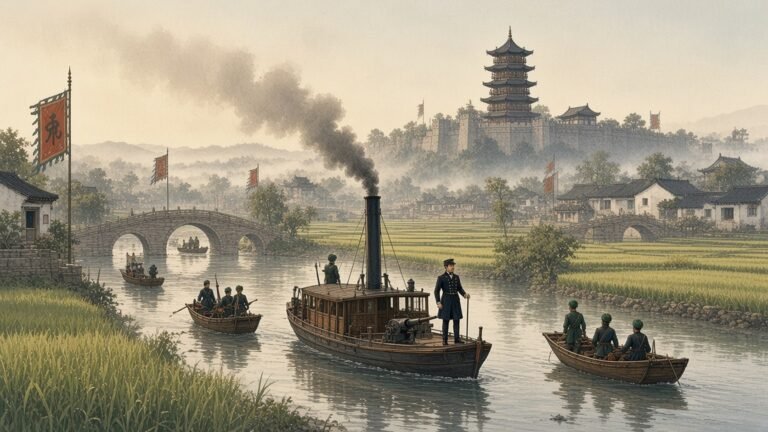
Charles George Gordon (1833–1885) was a Royal Engineers officer who became Chinese Gordon for crushing the Taiping Rebellion, Gordon Pasha for governing the Sudan, and Gordon of Khartoum for the siege of 1884–85.
Colour theme
Colour themes are for light mode. Choosing one switches dark mode off.
Latest dispatches · page 4 of 14
Search all dispatches
People
Charles George Gordon (1833–1885) was a Royal Engineers officer who became Chinese Gordon for crushing the Taiping Rebellion, Gordon Pasha for governing the Sudan, and Gordon of Khartoum for the siege of 1884–85.

History
The word warlord, applied to early-twentieth-century China, has been used to cover almost every kind of regional strongman, from the bandit chiefs of the Henan hill country to the formally uniformed generals who commanded government armies in the name of the Republic.

History
At a glance The Taiping Rebellion (1850 to 1864) was the largest civil war of the nineteenth century, with a combined military and civilian death toll commonly cited at twenty million or more.

History
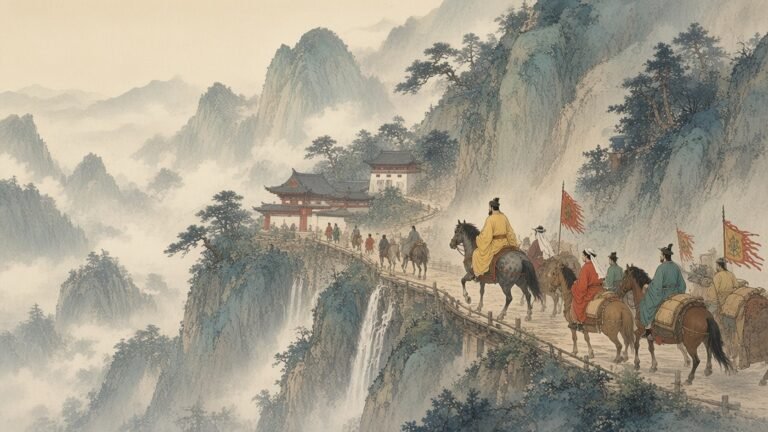
The An Lushan Rebellion For about a century before the winter of 755 the Tang dynasty had been the largest, wealthiest and most cosmopolitan state on earth.

People
Wu Zhao, later Empress Wu Zetian, was the only woman in Chinese history to rule as emperor in her own right.

History
At a glance: a war of nine months, fought principally on land in Korea and along the Liaodong peninsula and at sea in the Yellow Sea, between a Qing China that had not fought a major external war for two generations and a Meiji Japan that had spent two decades building a conscript army on the French model and a navy on the British model.

History
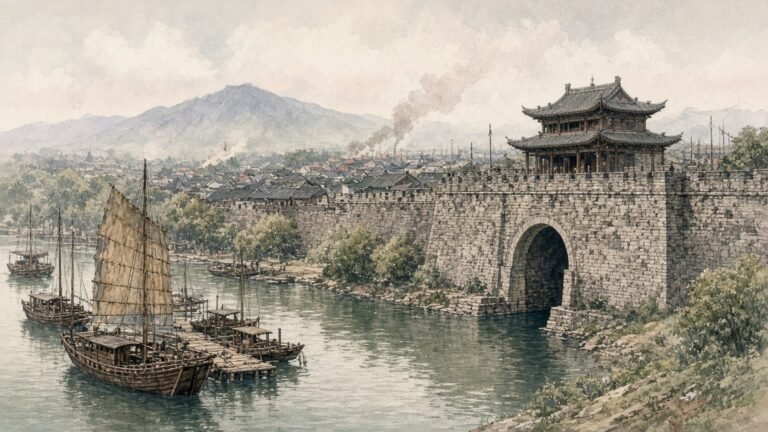
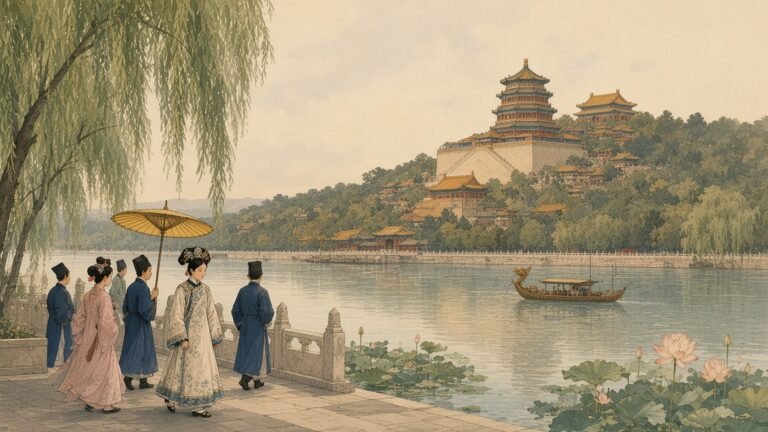
Smoke drifts across the rooftops of the imperial capital.

Places
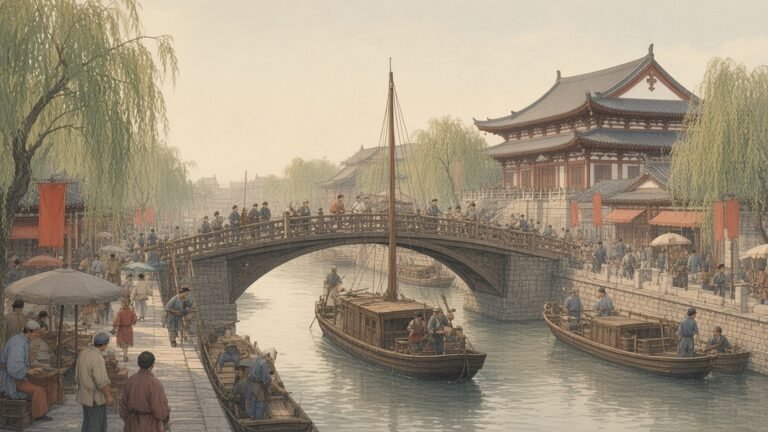
There is a scene from the early twelfth-century Chinese capital of Bianliang, what is now Kaifeng, that the painters of the time recorded with the same care they gave the imperial throne.

History
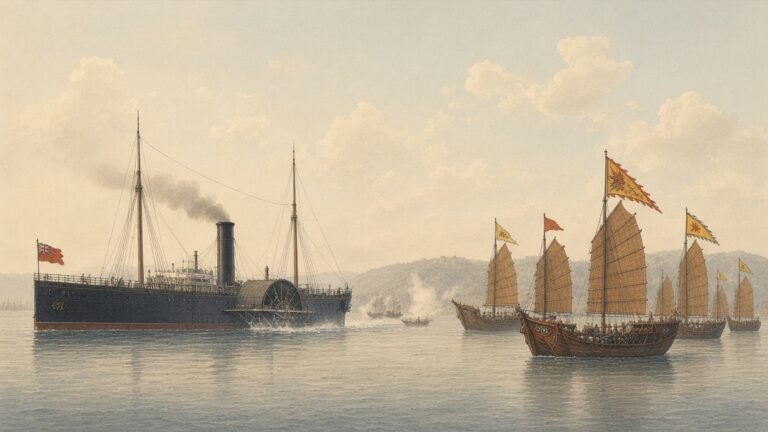
The war began with a shipment of opium and ended with a treaty.

People
In the autumn of 1908, two people died in the Forbidden City within twenty-two hours of each other.

History
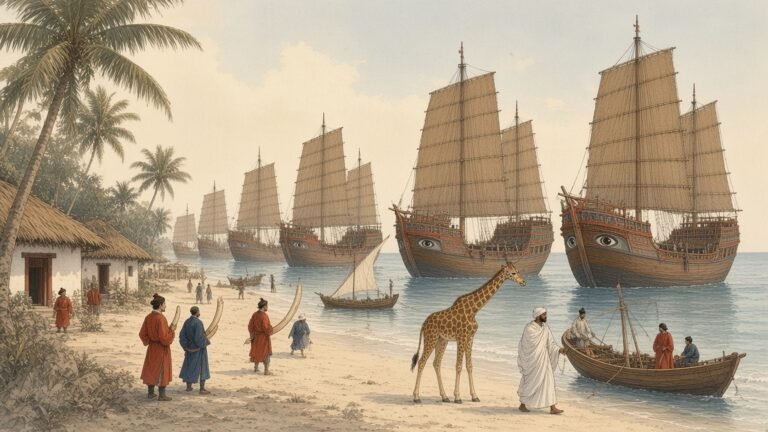
In the spring of 1405, a fleet of more than two hundred ships left the Yangtze River with twenty-eight thousand men aboard.

History
The empire that Genghis Khan had built by 1206 was still small.

History
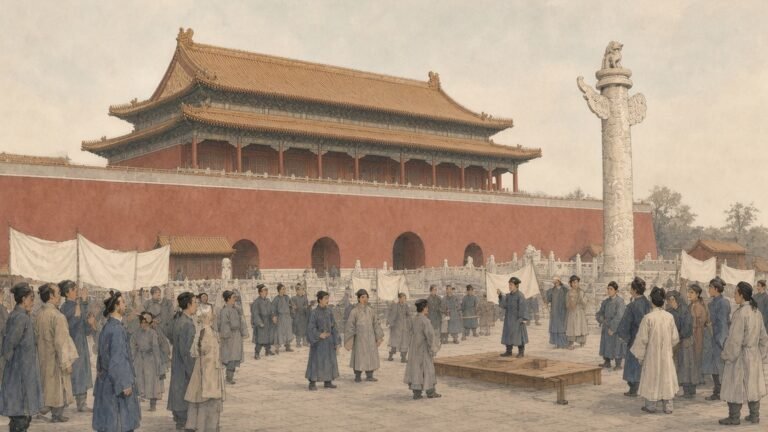
On the morning of Sunday, 4 May 1919, about three thousand students from thirteen Beijing colleges and schools gathered in front of Tiananmen, the great south gate of the Forbidden City, in the kind of late-spring light that falls on the low tiled roofs of the Outer City before the heat of the day.

Culture
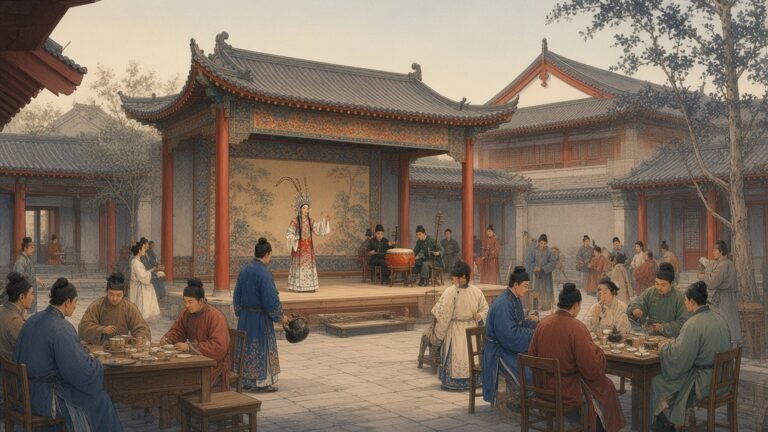
On a winter afternoon in 1913, in a small courtyard theatre on the south side of Qianmen, just outside the old walls of Beijing, a young woman in her early twenties was sitting at a brass mirror in the wings, applying Peking opera lianpu makeup in red and white and black.

History
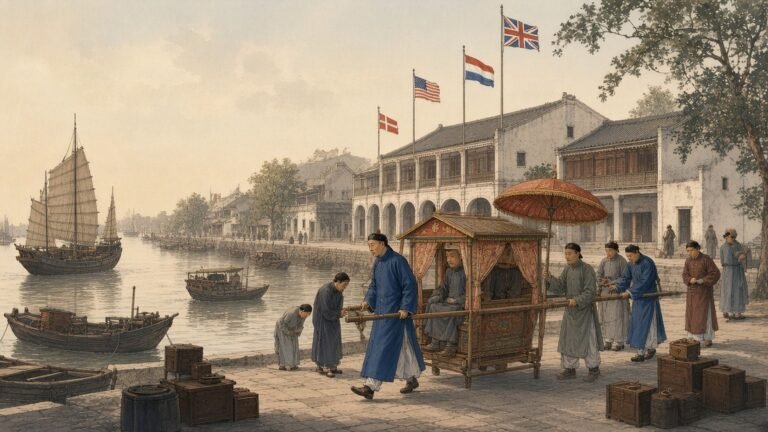
On a damp morning in late 1820, on the south bank of the Pearl River just outside the walls of Canton, a man of fifty-one in a dark blue silk robe stepped out of a long, low warehouse and onto a stone quay.

Science & Tech
On a Monday morning in late September 2026, in a fourth-floor lab on the Tsinghua University campus in north-west Beijing, a young Chinese postgraduate in a white coat pipetted a clear solution into a small vial.

History
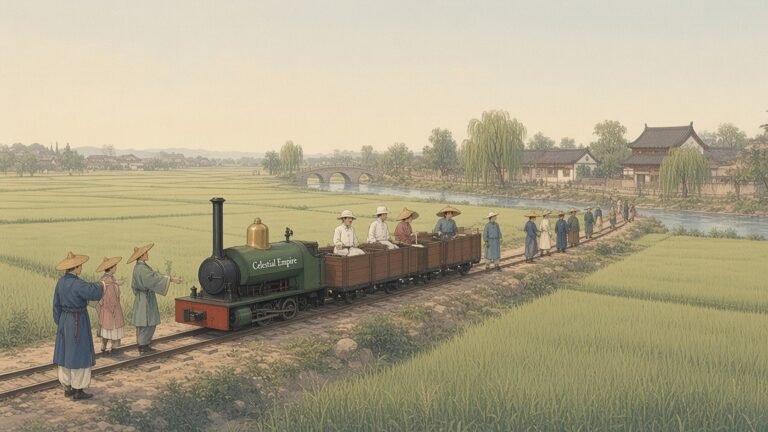
Half past five, on the evening of 30 June 1876. An English locomotive called the Celestial Empire gave a long shriek and slid out of a wooden platform down the line from where the Shanghai station was still being built.

People
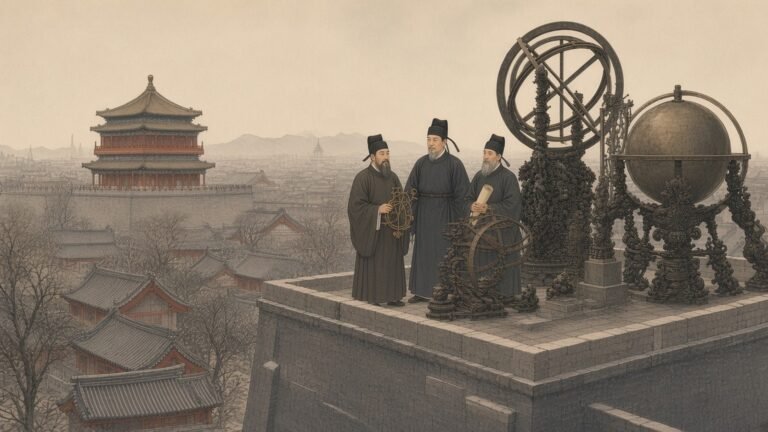
In 1629 a Shanghai scholar named Xu Guangqi walked up the steps of the Beijing Ancient Observatory, climbed onto the fifteen-metre brick platform on top of the city’s southeast wall, and began the work that would end the two-thousand-year-old Chinese calendar.

People
Hong Xiuquan was born on 1 January 1814 in Fuyuan, a small Hakka village in the Huaxian district of Guangdong, about fifty kilometres north of Guangzhou.

Science & Tech
On a bend of the Min River) about an hour outside Chengdu, a low concrete and stone dike angles into the current, dividing the river cleanly in two. There is no dam. The water does not back up behind it.

Places
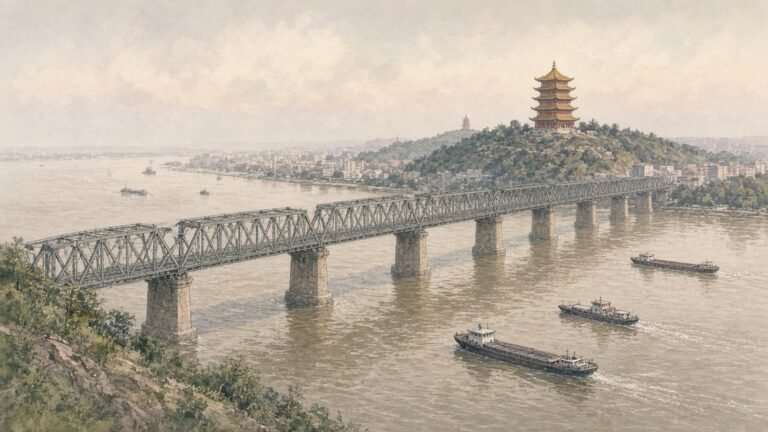
Wuhan is not one city.

Places
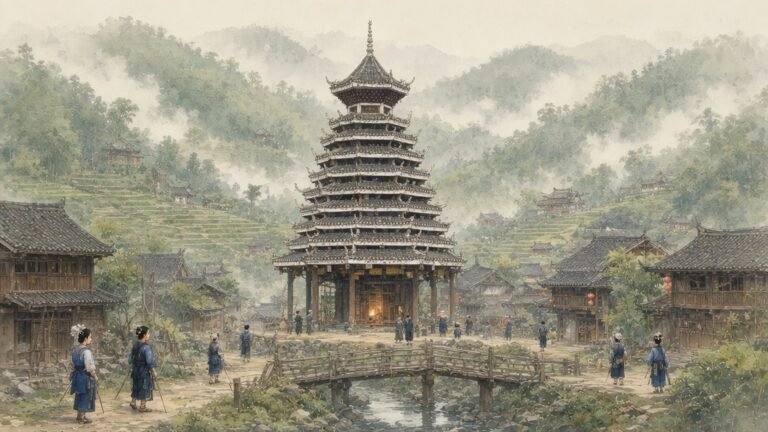
In the rice-terrace foothills around Kaili, in southeast Guizhou, more than four hundred wooden saemh — drum towers — still stand in the villages of the Hmong (also called Miao) communities.

People
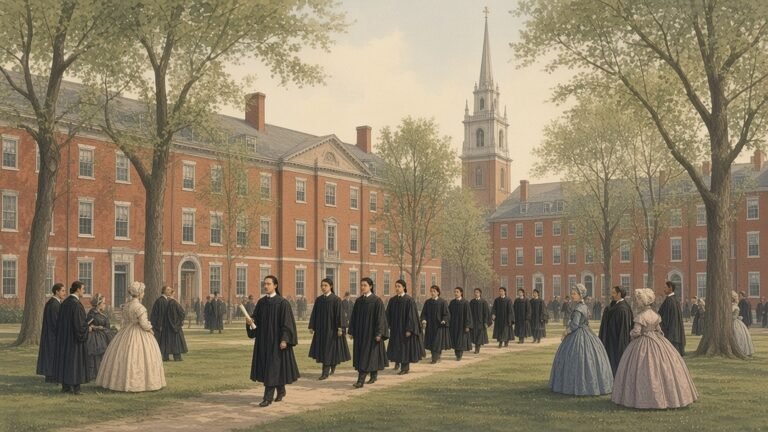
Yung Wing — who graduated from Yale College in 1854 as the first Chinese student to receive a degree from a Western university — spent his life trying to bring Western education back to China.

Culture
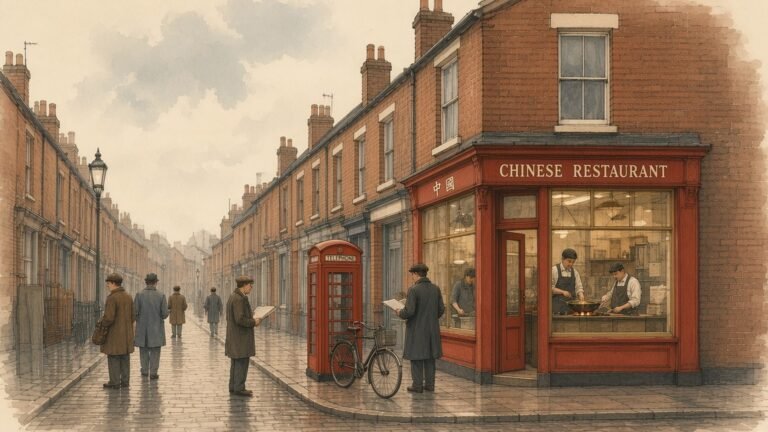
The first Chinese takeaway in Britain — the ChangMama in Liverpool — opened in 1958, and the British Chinese takeaway tradition that became a British institution was invented by Hong Kong Cantonese immigrants.
No recent stories match. Try another topic or search the full archive.