History
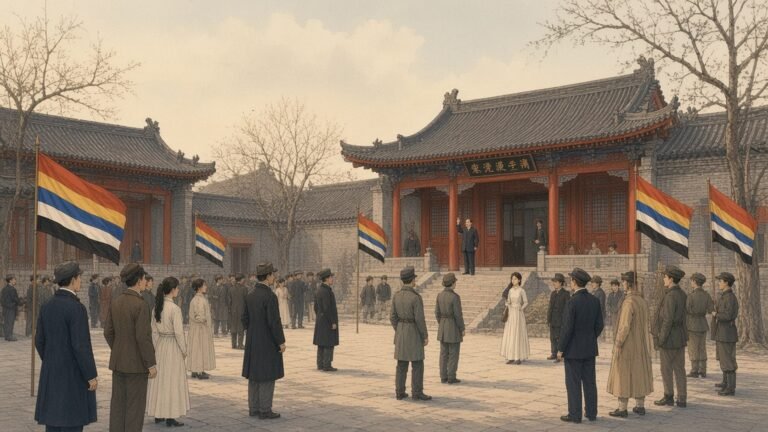
The Provisional Government of the Republic of China
The Wuchang uprising of 10 October 1911 was a local event.
23 min read

Colour theme
Colour themes are for light mode. Choosing one switches dark mode off.
Latest dispatches · page 3 of 14
Search all dispatchesHistory
The Wuchang uprising of 10 October 1911 was a local event.
History
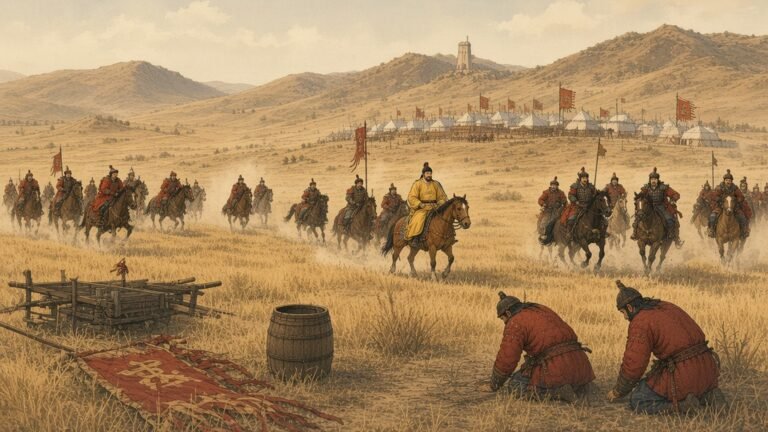
The Day a Chinese Emperor Became a Captive In the late summer of 1449 a Chinese emperor of the Zhengtong reign was taken alive by a small Oirat Mongol cavalry force on the bare plain outside a frontier fortress called Tumu, about a hundred kilometres north of the Ming capital Beijing.
History
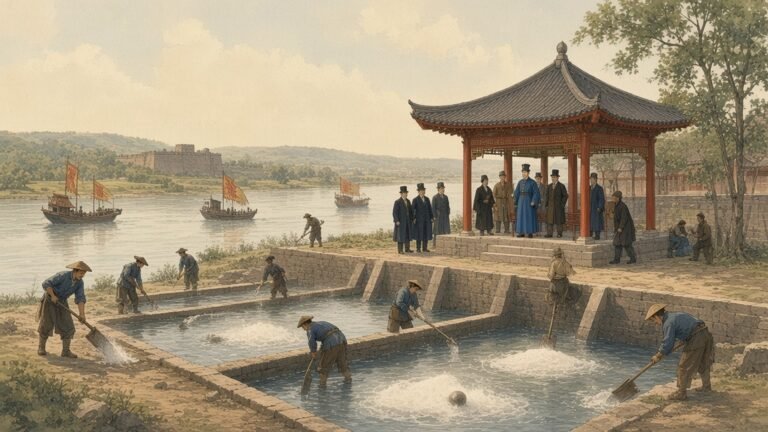
On the morning of 3 June 1839, on a long stone quay at the river-mouth town of Humen, on the western bank of the Pearl River about fifty kilometres downstream from Canton, two thousand Chinese labourers began to break open chests of British-owned opium.

History
The Largest Encyclopedia Ever Made There is an old, slightly tired joke in Chinese history books that the only encyclopedia bigger than the Yongle dadian is a modern online encyclopedia, and that it took six hundred and four years to overtake it.
People
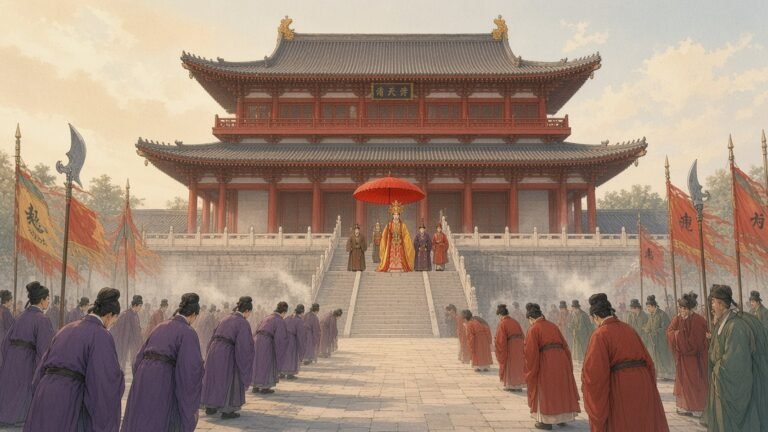
At a glance Empress Wu Zetian ruled the Chinese empire as emperor in her own right for just over fifteen years, from 690 to 705, in what is conventionally called the Zhou dynasty interregnum.

History
The Aisin Gioro was the ruling imperial house of the Qing dynasty (1644-1912) and the principal political dynasty of China for more than two and a half centuries.
History
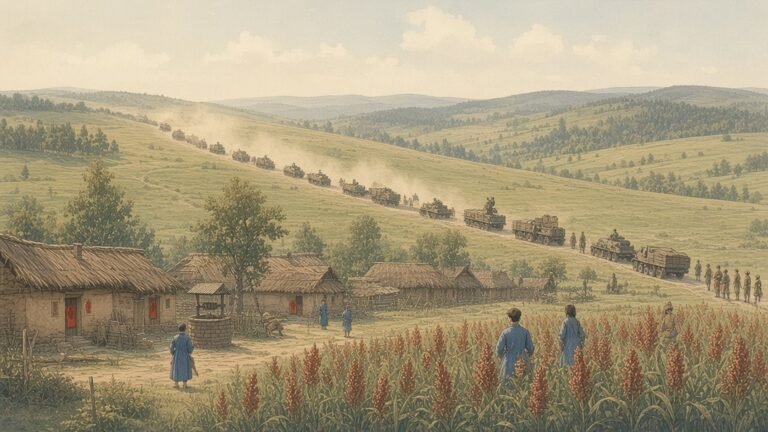
On 9 August 1945, just over an hour after midnight Trans-Baikal time, the Soviet Union launched the largest and most decisive operation of its short war against Imperial Japan.
History
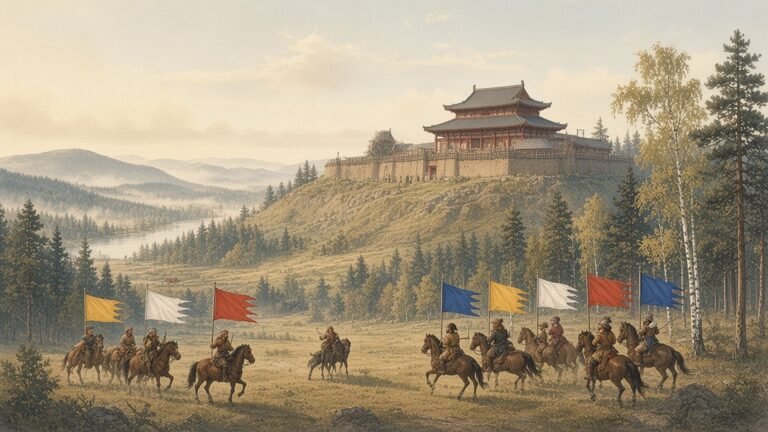
The Manchu people who ruled China from 1644 to 1912 were not, in any straightforward sense, an ancient ethnic group waiting to be rediscovered.

History
The Anqing Uprising of 6 July 1907 was the most spectacular pre-revolutionary attack on the late-Qing Manchu establishment before the 1911 Xinhai Revolution itself.
People
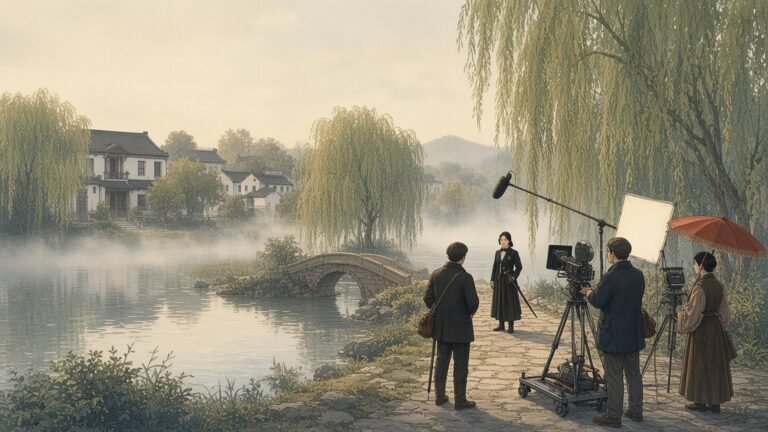
The Woman Knight of Mirror Lake (Jian hu nu xia Qiu Jin, 竞雄女侠秋瑾) is a 2011 Hong Kong and mainland Chinese biographical martial-arts film, directed by Herman Yau and produced by the China Drama Production Centre on a budget that supported a substantial cast and a substantial period reconstruction of the late Qing dynasty.
History
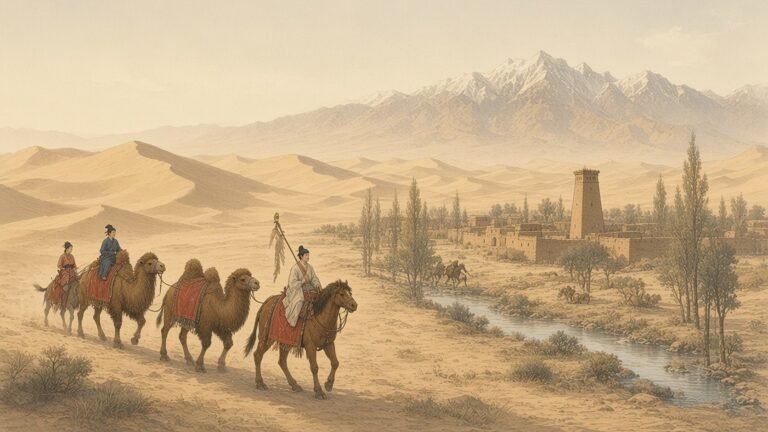
The missions of Zhang Qian are also significant for the much broader historiographical reason that they are the earliest Chinese documentary source for the geography and the peoples of the Inner Asian land bridge between China and the West.
History
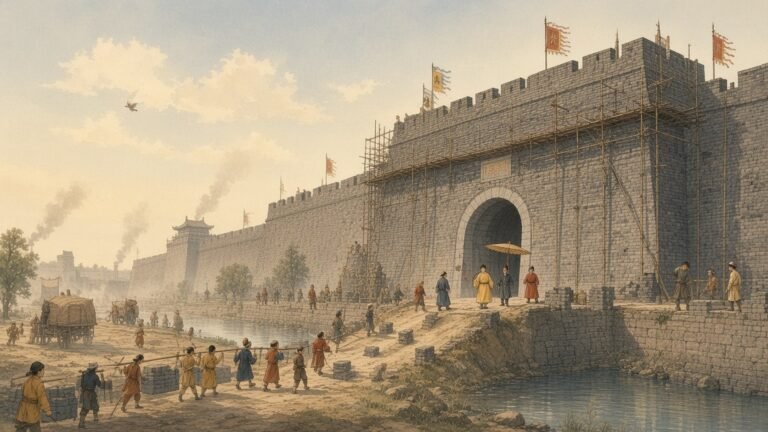
In the spring of 1368 a former Buddhist novice and one-time beggar climbed the steps of an imperial palace in Nanjing, sat on the throne that had been built for a Mongol Khagan, and proclaimed himself the Hongwu Emperor, the first emperor of the Ming dynasty.

History
The Boxer Rebellion is too often told as a single picture: fists raised against churches, diplomats trapped behind Legation walls, and a multinational rescue column marching on Peking. That picture is not false.
History
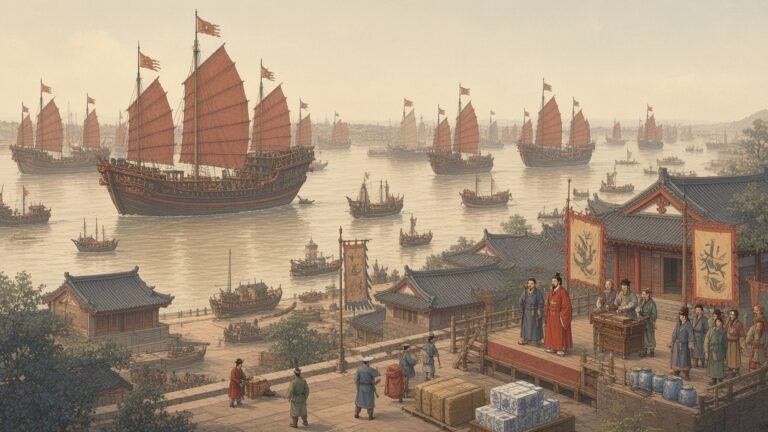
For the seven weeks of late summer in 1405, the Yangtze at Liujiagang, downstream of Nanjing, looked less like a river than like a transplanted forest.
History
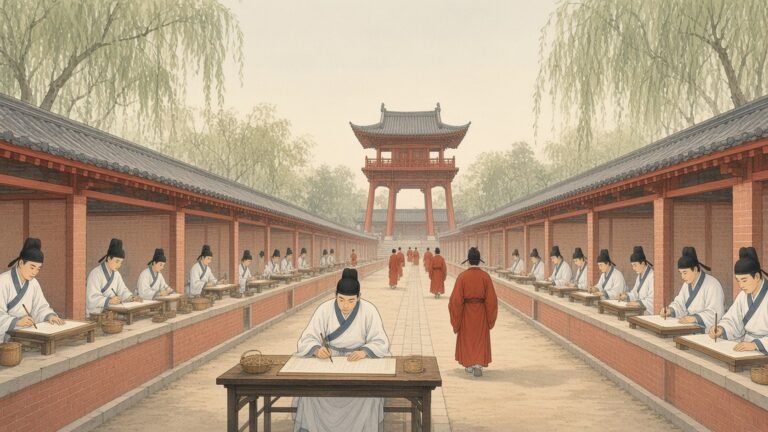
At a glance The Northern Song dynasty (960 to 1127) rebuilt and consolidated the imperial civil service examination system that had been inherited from the Sui and Tang in a partly broken form.

History
At a glance The Sui dynasty (581 to 618 CE) reunified China after almost three centuries of division under the Northern and Southern Dynasties, and it did so through a combination of military conquest, dynastic consolidation, and infrastructure investment.

Science & Tech
For three quarters of a century the centre of gravity in computing research was a small constellation of American universities and American firms.

History
Khubilai Khan, who would reign as emperor of a Chinese-style state from 1271 to 1294 and who would be remembered in European memory as the superlative monarch of the Mongol world, was born in 1215 at a Mongol camp on the edge of the Asian steppe, the grandson of Genghis Khan and the son of Tolui's son.

History
The Catastrophe of 1860 and the Birth of a Programme In the autumn of 1860, an Anglo-French expeditionary force, having fought its way up the coast from the Pearl River, occupied the emperor’s summer palace at Yuanmingyuan in the hills northwest of Beijing and burned it to the ground.

History
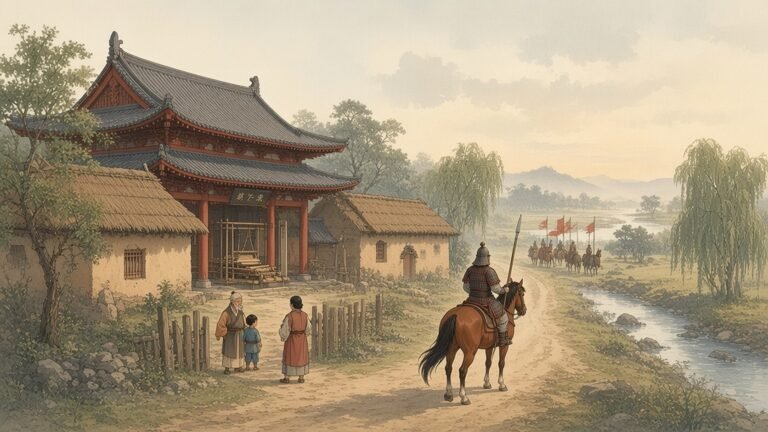
A Midnight Detonation On the night of 9 October 1911, in a bomb magazine owned by the Hubei Provincial Army in the southern suburb of Wuchang, a charcoal brazier was knocked over during the manufacture of a routine propellant charge.
History
The Mulan legend has been a folk ballad, a Tang dynasty southern folk saint, a Ming dynasty stage heroine, a Qing dynasty temple cult, a Republican era national allegory, a Disney animated film, a Beijing musical, a 2020 live-action feature, a video game character since 2001, and a flashpoint in 21st century cultural politics.

History
At a glance Conflict: Decisive naval battle at the end of the late Han civil war, late 208 to early 209 CE. Combatants: The northern warlord Cao Cao against the southern alliance of Liu Bei and Sun Quan.
History
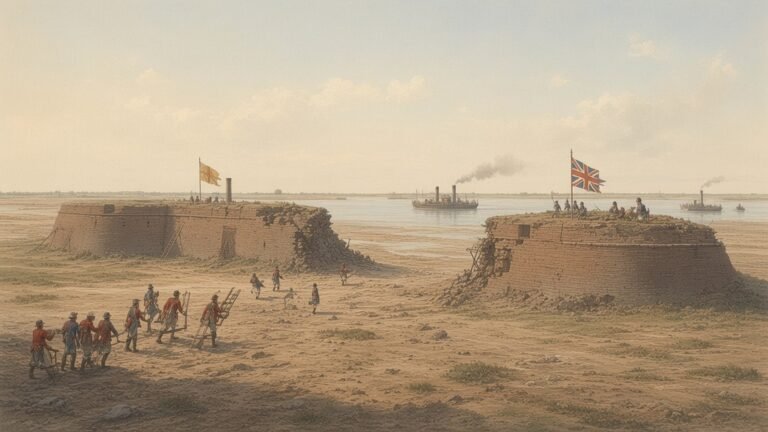
What the Second Opium War Was The Second Opium War, sometimes called the Arrow War from the incident that set it off, ran from 8 October 1856 to 24 October 1860.
History
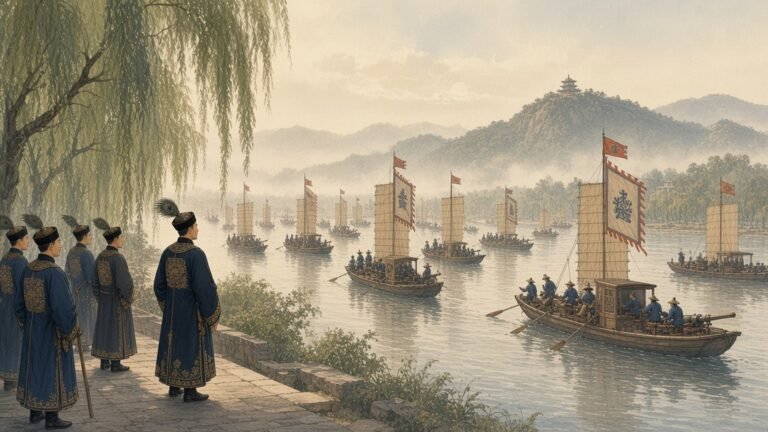
The Hunan farmhouse, 1811 Zeng Guofan was born on the twenty-sixth of November, 1811, in a farming village on the southern flank of the Xiang River valley in Hunan, into a family that was, by the standards of the late Qing, neither rich nor poor.
No recent stories match. Try another topic or search the full archive.
